From Greek Gods to Modern Giants: The Ageless Appeal of Size Play
Introduction
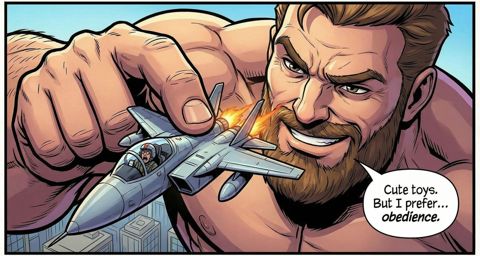
From the towering Titans of ancient Greece to the colossal creatures of modern cinema, humanity has always had a thing for playing with size. Whether it’s the thrill of a towering giant’s foot or the allure of a minuscule man navigating a world too big for him, size has a way of captivating our imaginations and, let’s be honest, turning us on.
For centuries, stories of giants and tiny men have been woven into the fabric of our myths and legends, leaving a lasting impression on cultures around the world. These tales of size play have not only entertained but also reflected deeper themes of power, vulnerability, and desire. So, buckle up (or downsize) as we embark on a journey through time, exploring the colossal and the minute in mythologies from ancient Greece to modern times.
In this blog post, we’ll delve into the origins of these size-related stories, examining how they’ve evolved across different cultures and historical periods. We’ll uncover the psychological allure of size play and how these ancient tales continue to influence modern fetish culture. Prepare for a titillating exploration of giants, tiny heroes, and the age-old fantasy of being the bigger (or smaller) man.
Ancient mythologies
Greek Mythology
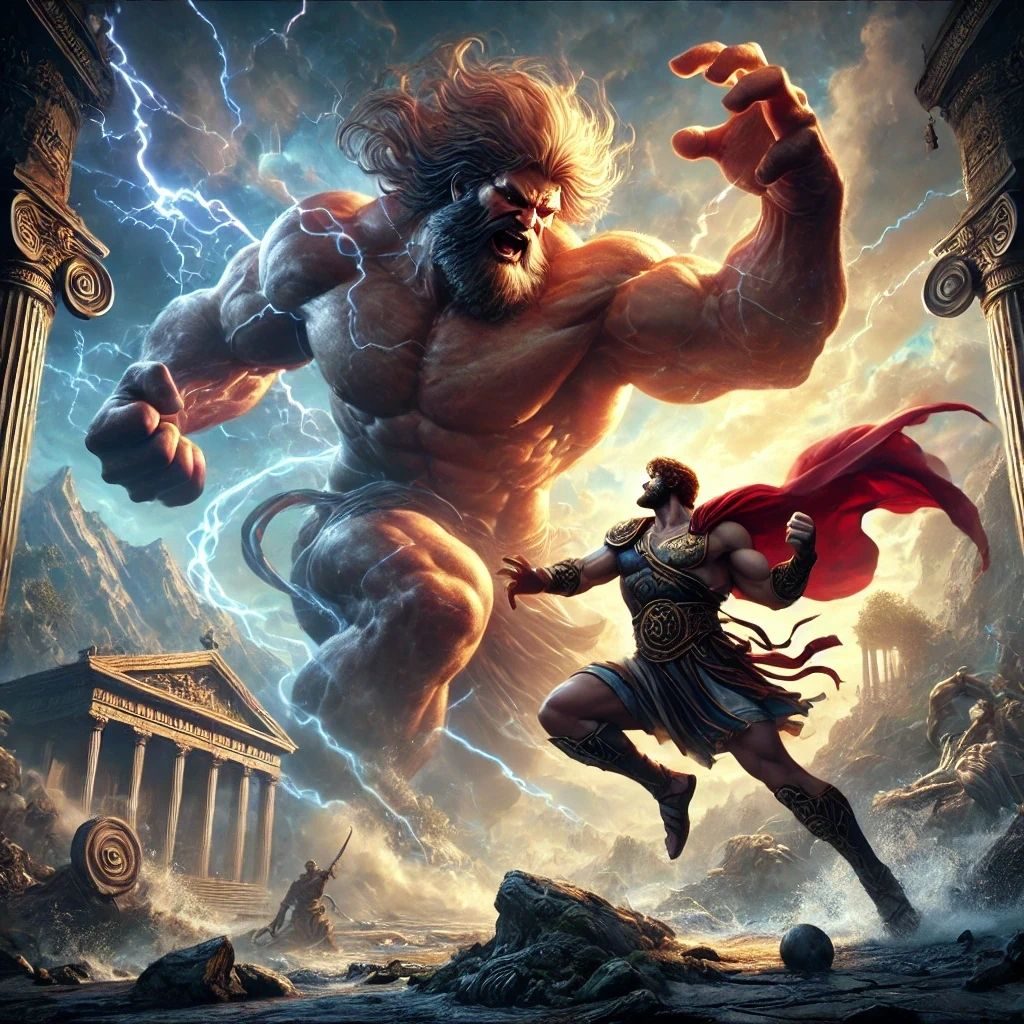
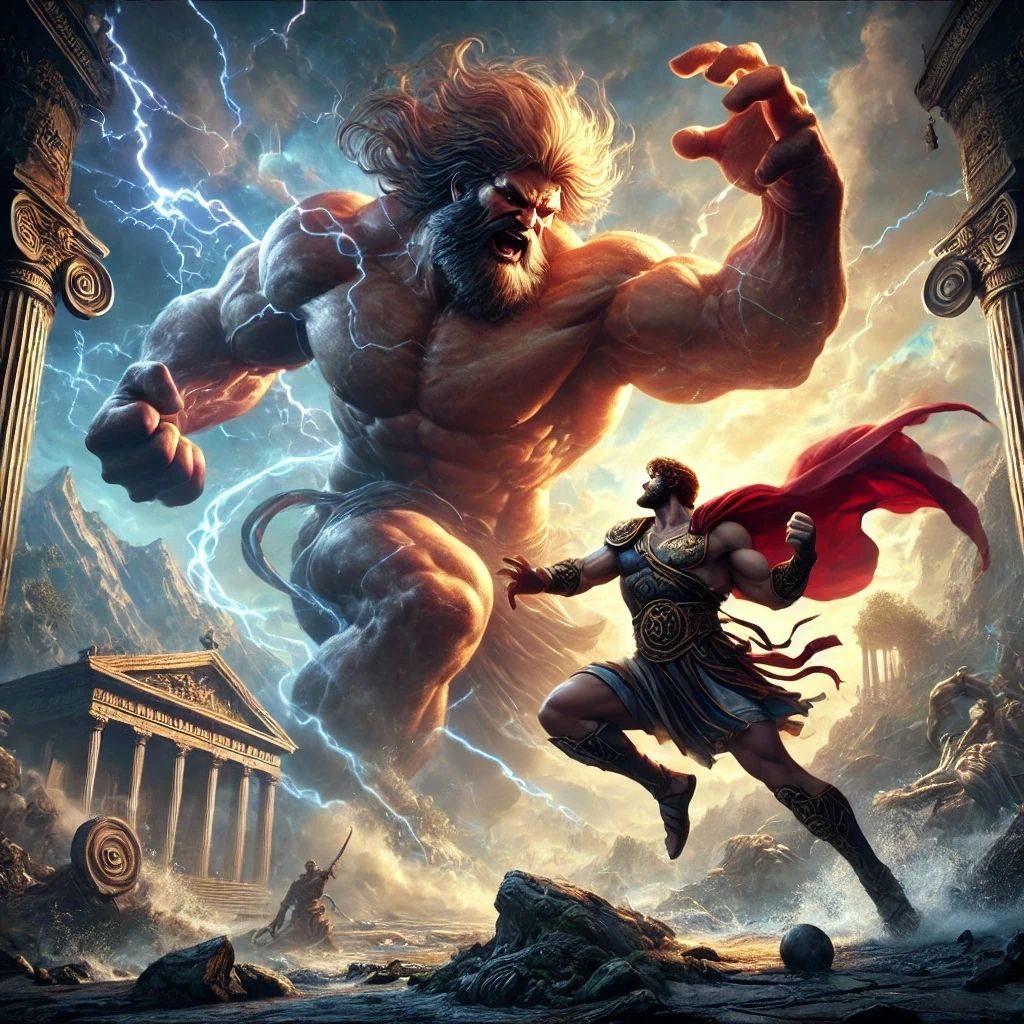
When it comes to giants, the ancient Greeks didn't just think big—they thought colossal. Greek mythology is teeming with larger-than-life figures that have captured imaginations for millennia, and it's no wonder that these stories continue to resonate, especially for those of us who find a particular kind of thrill in the idea of size play.
Titans and Giants: Before the Olympian gods took over, there were the Titans, a primeval race of giants who ruled the cosmos. The Titanomachy, a legendary war between the Titans and the Olympian gods, is a tale of epic proportions—quite literally. Picture this: Zeus and his siblings battling it out with enormous beings like Cronus, who could swallow his own children whole. The Titans’ sheer size and power made them formidable adversaries, symbolising chaos and the untamed forces of nature.
But the Greeks didn’t stop there. The Gigantomachy, another cosmic clash, featured the Giants, born from the blood of Uranus. These towering beings waged war against the Olympian gods in a struggle for dominance. Think of them as the ancient world's bad boys—massive, unruly, and oh-so-daring. Stories like these tantalise us with their grand scale and the idea of beings so vast that they challenge the gods themselves.
Heroes and Gods: The Greeks loved their heroes almost as much as their giants. Take Hercules, for instance, whose legendary labours often pitted him against gargantuan foes. One of his most famous feats was slaying the Nemean Lion, a beast so large and powerful that no weapon could pierce its hide. Hercules, using his incredible strength, strangled the lion with his bare hands. This tale not only highlights the hero's might but also the allure of overcoming a seemingly insurmountable opponent—an intoxicating fantasy for those of us who enjoy a bit of size disparity in our stories.
Then there’s the god of the sea, Poseidon, whose very presence could cause the earth to shake and the seas to swell. Imagine the awe (and maybe a bit of arousal) inspired by such raw, uncontrollable power. Poseidon's ability to manipulate his environment on such a grand scale adds an extra layer of intrigue for size fetish enthusiasts.
Significance: The giants and titans of Greek mythology weren't just about size—they represented the primal forces of nature, the unknown, and the uncontrollable. Their stories were metaphors for the struggles between order and chaos, civilisation and barbarism. But on a more visceral level, they also tapped into a deep-seated fascination with power dynamics and physical prowess. The allure of being dwarfed by a massive figure or the fantasy of towering over others taps into a primal part of our psyche, one that Greek mythology exploited to full effect.
By exploring these myths, we get a glimpse into the ancient world's imagination, one where size and power played crucial roles in storytelling. And for those of us who find size play tantalising, these tales offer a timeless source of inspiration and excitement. So, whether you're dreaming of wrestling with a giant or imagining yourself as a towering titan, Greek mythology has something to feed your fantasies.
Norse Mythology
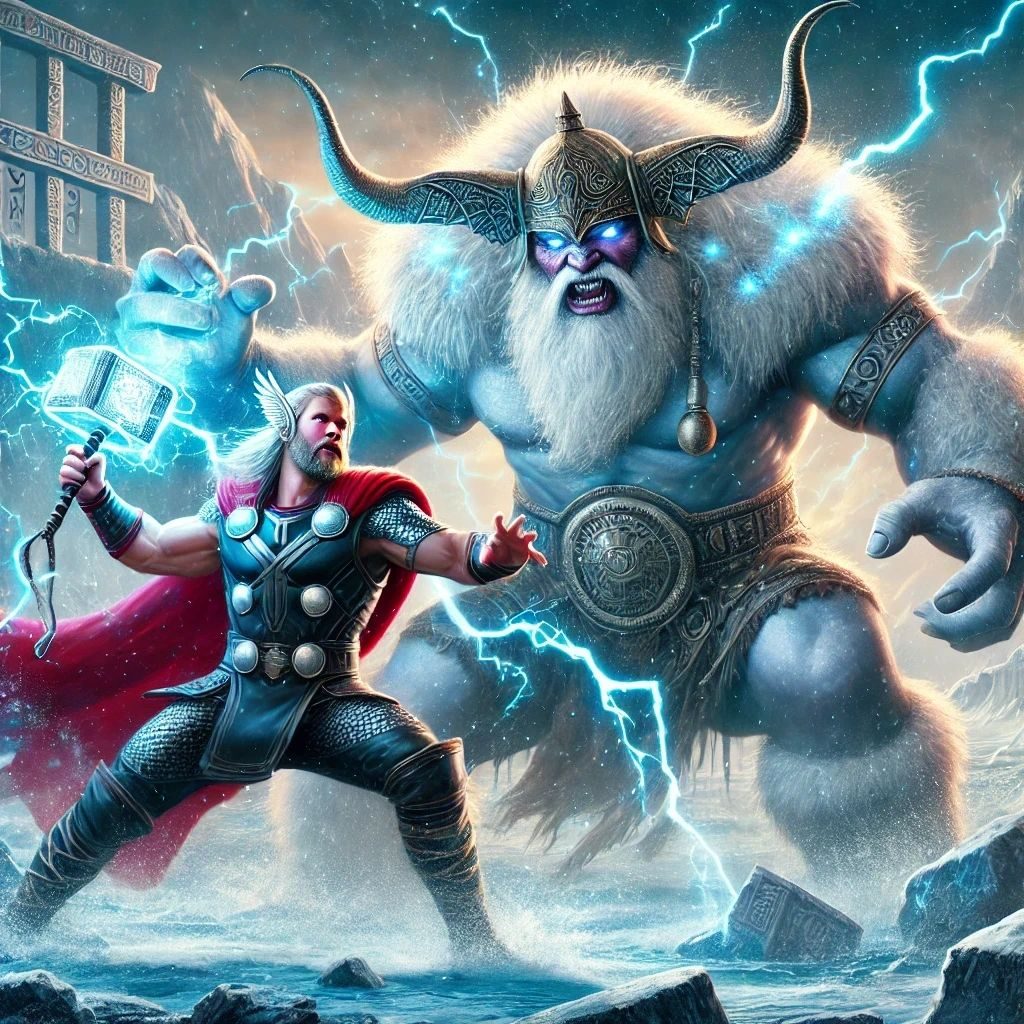
If the Greeks gave us grand tales of titans and giants, the Norse brought a colder, more rugged vision of these colossal beings. Norse mythology is rich with stories of giants, known as Jotunns, whose presence looms large over the ancient Scandinavian landscape. These giants were not just monstrous adversaries; they were complex figures that interacted with gods and humans alike, often in ways that stirred both fear and fascination.
Jotunns: In the frosty realms of Norse myth, Jotunns were the primal beings of chaos and nature. These giants were often depicted as towering, powerful creatures, embodying the untamed wilderness. They lived in Jotunheim, a realm separate from the gods' abode of Asgard, symbolising the ever-present threat and allure of the wild unknown.
The Jotunns were more than just enemies to be vanquished. They were also lovers and rivals of the gods, often blurring the lines between friend and foe. The gods' interactions with these giants brought forth a rich tapestry of stories filled with adventure, danger, and the irresistible pull of the immense and the powerful. For instance, the giantess Skadi, who became the goddess of winter, demanded vengeance for her father’s death but ended up marrying one of the gods, showing that attraction to power and size can be both adversarial and romantic.
Thor and Loki: When it comes to Norse giants, no discussion is complete without mentioning Thor and Loki, the dynamic duo whose exploits with the Jotunns are the stuff of legend. Thor, the thunder god, was the quintessential giant-slayer. Armed with his mighty hammer Mjölnir, he battled giants across the Nine Realms, embodying the human struggle against overwhelming odds. His encounters, like his battle with the giant Hrungnir, who was said to be made of stone, highlight the primal thrill of facing a foe much larger than oneself and emerging victorious.
Loki, on the other hand, had a more complicated relationship with the giants. As a shape-shifter and trickster, Loki's interactions with the Jotunns often involved deception and cunning rather than brute force. One memorable tale involves Loki transforming into a giantess to thwart the giant Thrym’s plans to marry the goddess Freyja. Loki’s fluid nature and ability to shift sizes added a layer of intrigue to these stories, appealing to those who find excitement in the unpredictable dynamics of size play.
Cultural Impact: The Jotunns were not merely mythological figures; they were a reflection of the Norse worldview. The harsh Scandinavian environment, with its vast, untamed wilderness and extreme weather, likely influenced the depiction of these giants. They represented the formidable forces of nature that ancient Norse people had to contend with daily.
These stories also highlight the Norse appreciation for strength, bravery, and cunning. The giants, with their immense size and power, were the perfect adversaries to showcase these virtues. For those of us who revel in the fantasies of size dynamics, the Jotunns offer a thrilling blend of danger and desire, embodying the raw, unrestrained power that makes size play so enticing.
In Norse mythology, giants were not just larger-than-life villains; they were integral to the cosmic balance, challenging the gods and, by extension, the natural order. Their tales continue to resonate, offering a rich source of inspiration for those who fantasize about the primal allure of size and strength. So, whether you dream of battling a colossal foe or standing beside a towering giant, Norse mythology provides a frosty, thrilling backdrop for your fantasies.
Hindu Mythology
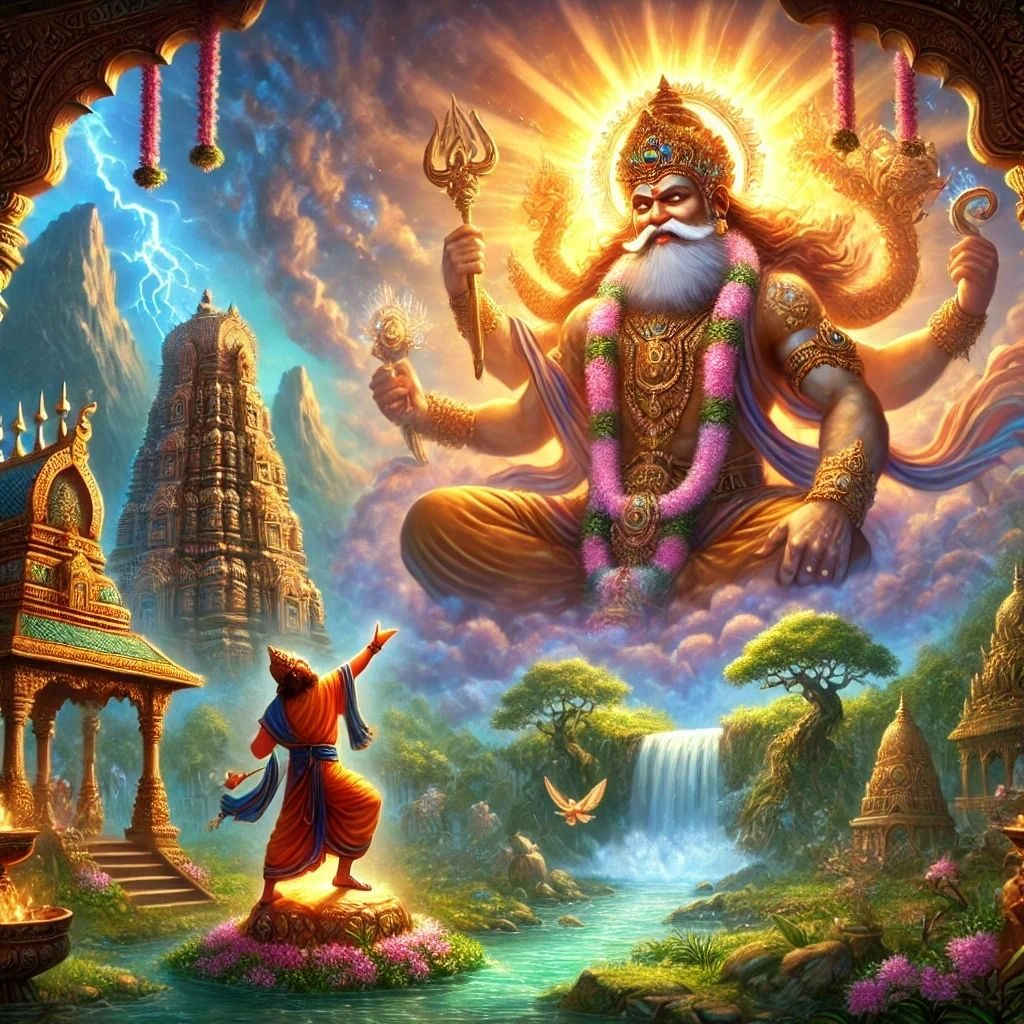
In the vibrant and complex tapestry of Hindu mythology, size and transformation play crucial roles, offering a unique perspective on power and divinity. The ancient stories of Hindu gods, demons, and heroes are filled with beings who can change their size at will, embodying the dynamic interplay between the immense and the minuscule. These myths not only entertain but also convey deep philosophical and spiritual messages, all while providing plenty of fodder for those who find excitement in the realm of size play.
Asuras and Rakshasas: Hindu mythology teems with powerful beings known as Asuras and Rakshasas, often depicted as giants or demons. These formidable creatures frequently clash with the gods in epic battles that symbolize the eternal struggle between good and evil. Asuras like Mahishasura, who could transform into a giant buffalo, and Ravana, the ten-headed king of Lanka, embody the fearsome power and grand scale that ignite the imagination.
Ravana, in particular, stands out as a towering figure both literally and metaphorically. His immense size and strength made him a nearly invincible foe, while his intellect and devotion added layers of complexity to his character. The tales of his encounters with the god Rama, who eventually slays him in the epic Ramayana, highlight the dramatic tension and fascination with overcoming a powerful adversary.
Vamana: One of the most intriguing stories in Hindu mythology involves Vamana, the dwarf avatar of the god Vishnu. In this tale, Vishnu incarnates as a diminutive Brahmin to subdue the demon king Bali. Despite his small stature, Vamana's true power is revealed when he asks Bali for three paces of land. Bali agrees, and Vamana transforms, expanding to colossal proportions and covering the entire universe in just three strides. This dramatic shift from tiny to immense encapsulates the awe-inspiring potential of size transformation.
The story of Vamana is rich with symbolism, representing the concept of divine intervention and the triumph of good over evil. For those who revel in size play, Vamana's ability to shift from a tiny figure to a cosmic giant is an exhilarating example of the possibilities inherent in such fantasies.
Symbolism: Size and transformation in Hindu mythology often symbolize the fluid nature of reality and the divine play of cosmic forces. The gods and demons, with their ability to change form and size, reflect the Hindu belief in the interconnectedness and impermanence of the material world. These myths serve as metaphors for spiritual truths, illustrating how the divine can manifest in various forms and scales.
For enthusiasts of size-related fantasies, these stories offer a rich tapestry of scenarios where power, transformation, and divine play intermingle. The ability of characters to grow or shrink at will, embodying both vulnerability and immense power, resonates deeply with the allure of size dynamics.
By exploring these myths, we gain insight into a culture that views size and transformation as fundamental aspects of the divine and the cosmos. The tales of Asuras, Rakshasas, and avatars like Vamana provide endless inspiration for those who fantasize about the dramatic interplay of size and power. Whether it's the thrill of battling a giant demon or the wonder of expanding to fill the universe, Hindu mythology offers a captivating backdrop for our size-related desires.
Medieval and Renaissance tales
European Folklore
As we move from the ancient worlds of myth into the rich tapestry of European folklore, the fascination with size and transformation remains a central theme. Medieval and Renaissance Europe were rife with tales of giants and diminutive heroes, stories that thrilled and inspired awe in equal measure. These tales, passed down through generations, reflect the timeless allure of size dynamics and continue to captivate those who revel in the power play between the massive and the minuscule.
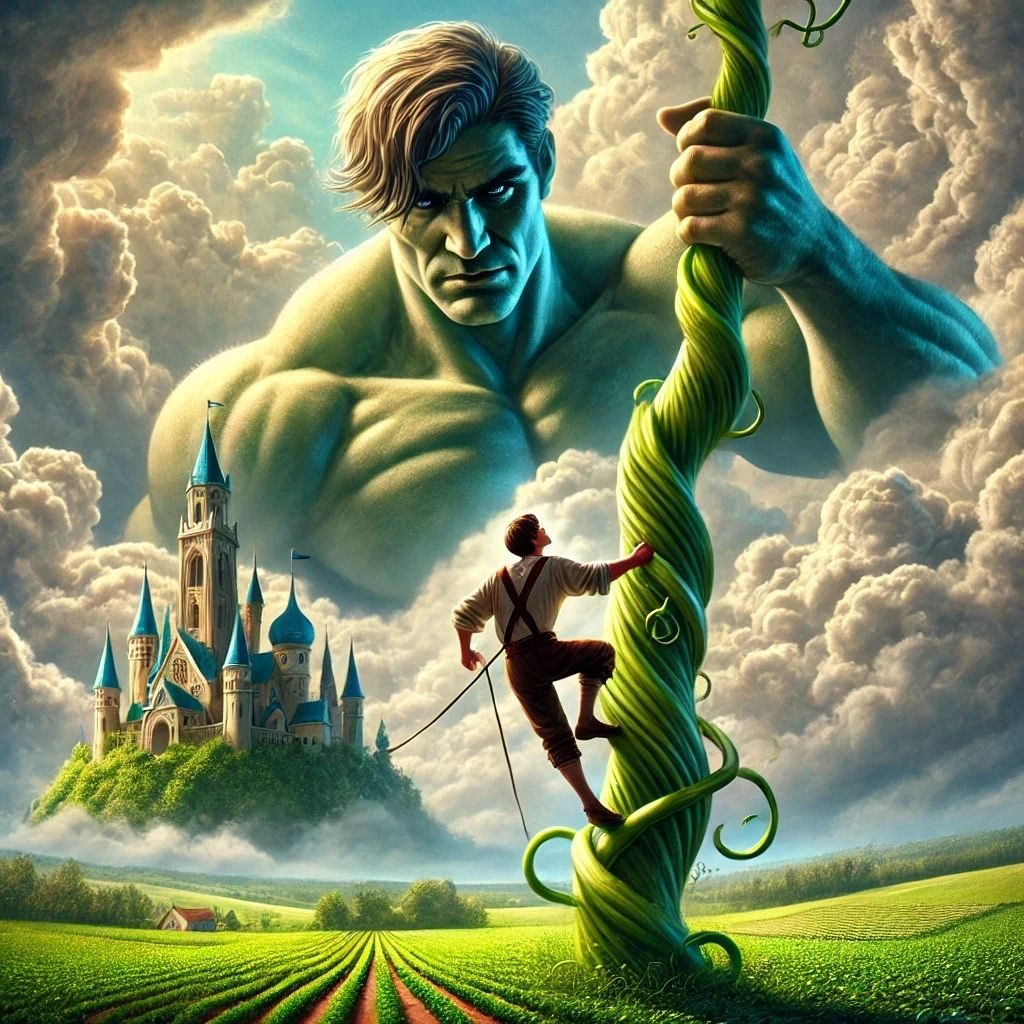
Jack and the Beanstalk: One of the most famous European folktales, "Jack and the Beanstalk," is a classic example of size play in storytelling. Jack, a young and seemingly insignificant boy, climbs a magical beanstalk that reaches into the sky, leading him to the castle of a fearsome giant. The giant’s booming voice, "Fee-fi-fo-fum, I smell the blood of an Englishman," evokes both terror and excitement, highlighting the stark contrast between Jack’s small stature and the giant’s imposing presence.
This tale isn’t just about the physical differences; it’s about cleverness and bravery in the face of overwhelming odds. Jack’s ability to outwit the giant and escape with treasures speaks to the fantasy of overcoming a larger, more powerful adversary. For those turned on by size play, Jack’s adventure offers a thrilling narrative where the small triumphs over the colossal through wit and daring.
Grimm's Fairy Tales: The Brothers Grimm collected and published numerous stories that explored size dynamics, often featuring giants and tiny heroes.
- Hansel and Gretel: This tale involves children outsmarting a witch who lives in a house made of sweets—a figure who, in her own way, embodies the fearsome and the fantastical. The witch's imposing presence and the children's resourcefulness highlight the classic theme of the small and clever overcoming the large and menacing.
- The Brave Little Tailor: This story is a delightful example of a tiny hero triumphing over much larger adversaries. The tailor, armed with wit and cunning, manages to outsmart giants and perform seemingly impossible feats, all while boasting, "Seven at one blow!" This story captures the essence of size play, where the thrill lies in the juxtaposition of the diminutive hero against towering foes.
- Snow White: Though not always seen through the lens of size play, the seven dwarfs offer a contrasting element of size dynamics. Snow White, an average-sized woman, finds refuge and friendship with these smaller characters, adding a unique dimension to the traditional fairy tale narrative.
- Rumpelstiltskin: This tale involves the mysterious and diminutive Rumpelstiltskin, who possesses magical powers and offers to help the miller’s daughter spin straw into gold. The contrast between his small stature and his immense power is a captivating element, emphasizing the allure of transformation and unexpected strength.
- The Giant Who Had No Heart in His Body: This lesser-known Grimm tale tells of a giant whose life is hidden away, making him invulnerable. A young hero embarks on a quest to find the giant's heart and defeat him, highlighting the dynamic interplay of size, power, and vulnerability.
Impact on Literature: These stories didn’t just entertain; they shaped the literary landscape of medieval and Renaissance Europe. Giants and tiny heroes became archetypal characters, symbolizing the struggles and triumphs of humanity. The themes of bravery, cleverness, and the supernatural found in these tales have influenced countless works of literature, from epic poems to fairy tales.
The appeal of these narratives lies not just in their fantastical elements but also in their exploration of human virtues and vices. For those who enjoy size play, these stories offer rich, imaginative settings where the dynamics of size and power are central to the plot. Whether it’s the thrill of a daring escape or the allure of facing a giant opponent, European folklore provides endless inspiration for fantasies involving size disparity.
By delving into these medieval and Renaissance tales, we uncover a world where giants and tiny heroes navigate a landscape of magic, danger, and honor. These stories continue to enchant and excite, offering a timeless exploration of the themes that make size play so captivating. So, whether you imagine yourself as Jack climbing that beanstalk, Sir Gawain facing the Green Knight, or the brave little tailor besting giants, European folklore provides a fertile ground for your size-related fantasies.
Middle Eastern and Asian Legends
As we journey eastward, the rich mythologies and legends of the Middle East and Asia offer a fascinating array of stories featuring giants, tiny heroes, and miraculous transformations. These tales, deeply embedded in their respective cultures, provide a diverse perspective on the universal fascination with size and power dynamics.
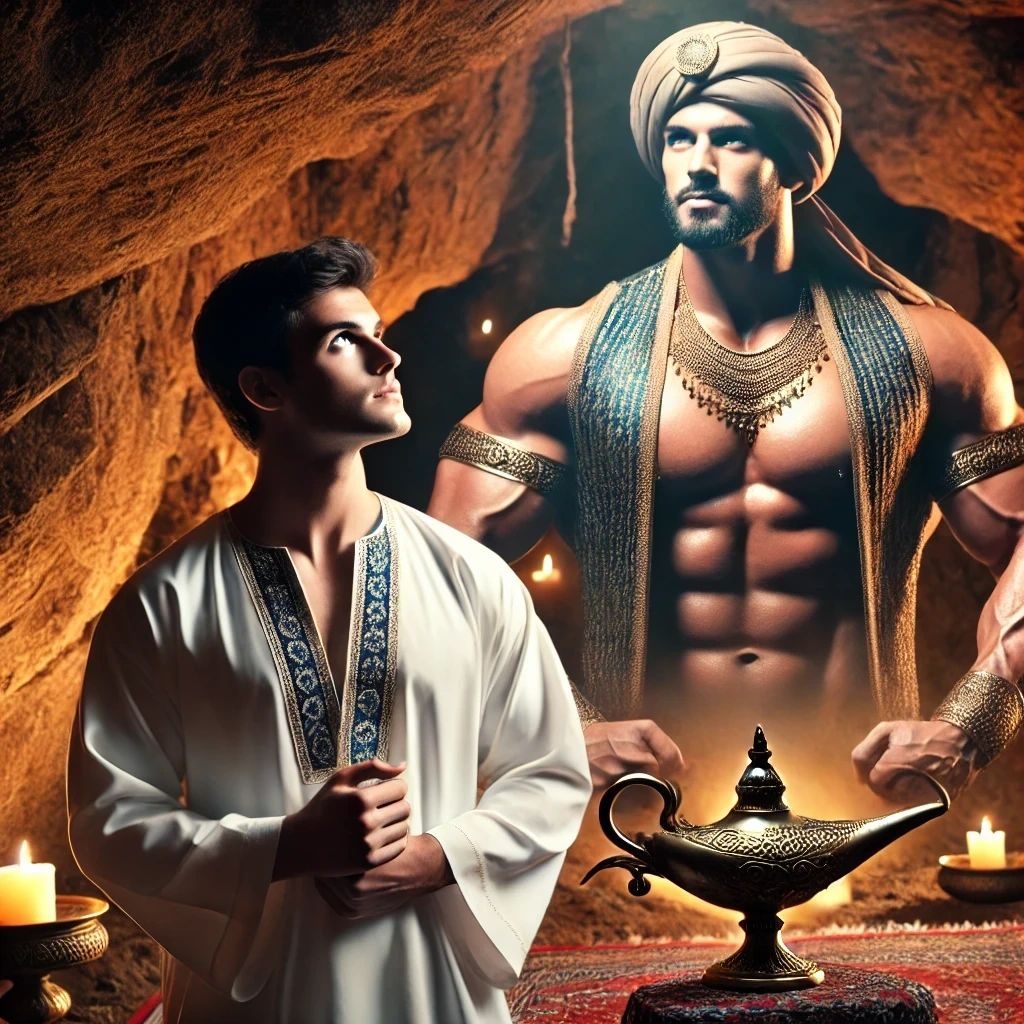
The Arabian Nights: Stories of Giants and Transformations: "One Thousand and One Nights," commonly known as "The Arabian Nights," is a treasure trove of fantastical stories that have enthralled audiences for centuries. Among its many tales are those involving giants and extraordinary transformations.
One of the most iconic stories is that of "Aladdin and the Magic Lamp." While primarily known for the magical genie, another tale within this collection, "The Story of the Third Royal Mendicant," features a giant who captures the protagonist. The giant's immense size and power create a sense of awe and danger, typical of the thrilling and sensual allure found in size-related fantasies. The notion of being at the mercy of such a powerful figure, only to outwit and escape, mirrors the themes of vulnerability and empowerment that resonate deeply with size fetish enthusiasts.
Chinese Legends: Tales of Giants and Tiny Heroes: Chinese mythology is rich with stories that explore size and transformation, often featuring gods, demons, and heroes who can alter their forms.
Sun Wukong, The Monkey King, is one of the most beloved characters in Chinese folklore. As a central figure in the classic novel "Journey to the West," Sun Wukong possesses the ability to change his size at will. He can shrink to the size of an insect or grow to colossal proportions, embodying the ultimate fantasy of transformation. His mischievous nature and supernatural abilities make his adventures a captivating read, especially for those who fantasise about size play.
Cultural Exchange: The Spread of These Myths Along Trade Routes: The Silk Road and other trade routes facilitated not only the exchange of goods but also the sharing of stories and cultural practices. As traders and travellers moved between the Middle East and Asia, they brought with them tales of giants, tiny heroes, and magical transformations, enriching the mythologies of both regions.
This cultural exchange allowed stories to evolve and adapt, incorporating elements from different traditions. For example, the influence of Persian and Indian myths can be seen in some Chinese legends, while Middle Eastern tales were enriched by the fantastical elements of Asian folklore. The fusion of these stories created a rich tapestry of legends that continue to inspire and captivate.
These myths, with their themes of size and transformation, reflect a universal human fascination with power dynamics and the unknown. For those who find excitement in the realm of size play, the legends of the Middle East and Asia offer a wealth of inspiration. Whether it’s the thrilling adventures of Sun Wukong or the captivating tales from "The Arabian Nights," these stories provide a timeless exploration of the fantasies that make size dynamics so alluring.
By delving into the legends of the Middle East and Asia, we uncover a world where giants and tiny heroes navigate landscapes of magic, danger, and wonder. These stories continue to enchant and excite, offering a diverse and captivating backdrop for size-related fantasies. So, whether you imagine yourself wielding the power of the Monkey King or outsmarting a giant in a far-off land, these myths provide a fertile ground for your size-inspired dreams.
Modern Adaptations and Interpretations
As we journey from ancient mythologies and medieval legends into the modern era, the fascination with size dynamics continues to thrive in literature, comics, and graphic novels. These contemporary adaptations not only entertain but also provide a fresh lens through which to explore the themes of power, transformation, and societal critique that have long captivated human imagination.
Literature and Comics
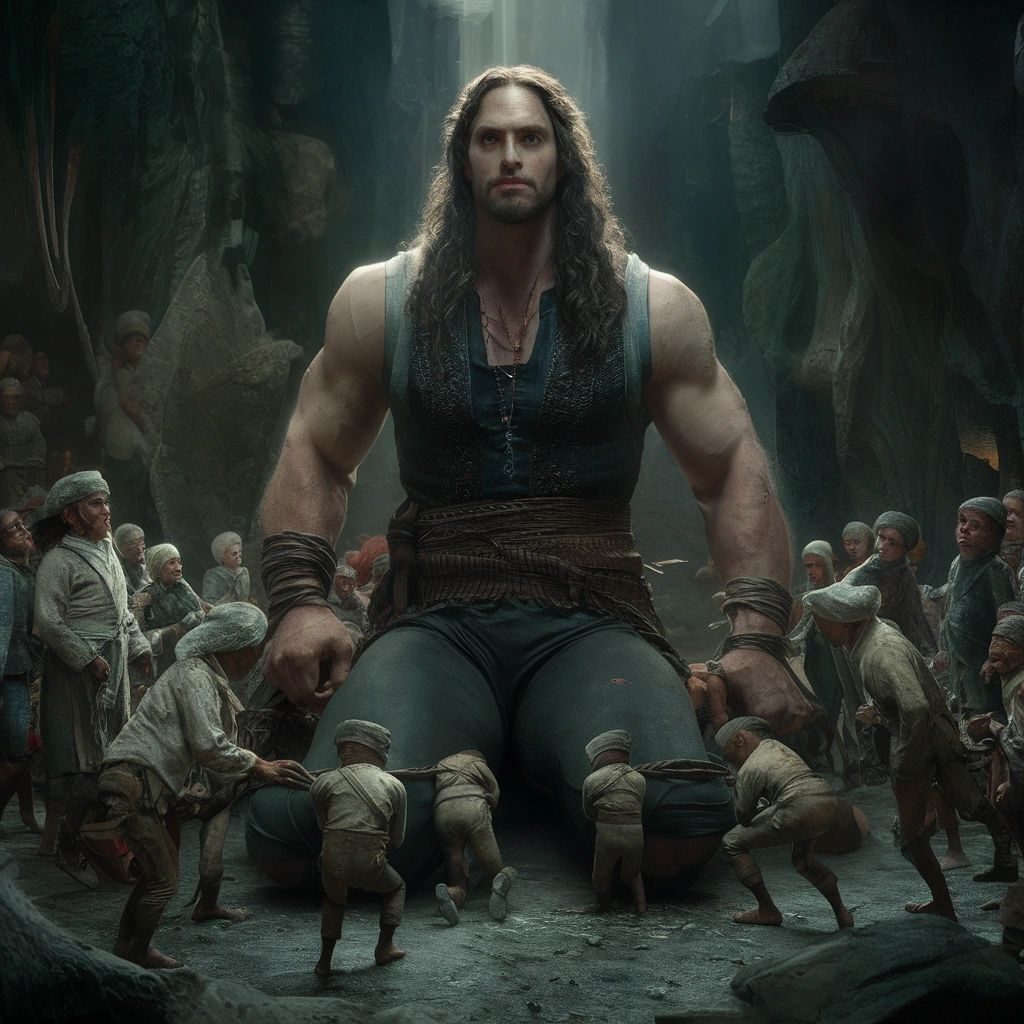
Gulliver’s Travels: Jonathan Swift’s Satirical Take on Size and Society: One of the most enduring works of literature that explores size dynamics is Jonathan Swift’s "Gulliver’s Travels," first published in 1726. This satirical novel chronicles the adventures of Lemuel Gulliver, who finds himself in lands where size is dramatically altered, most notably in Lilliput and Brobdingnag.
In Lilliput, Gulliver becomes a giant among the tiny Lilliputians, who stand just six inches tall. The Lilliputians' perception of Gulliver as a colossal being shifts the power dynamics dramatically, as they simultaneously fear and exploit his size. This inversion of scale serves as a sharp critique of human pettiness and the arbitrary nature of political power. For enthusiasts of size play, Gulliver’s experiences in Lilliput offer a tantalising exploration of dominance, vulnerability, and the erotic potential of vast size differences.
Conversely, in Brobdingnag, Gulliver finds himself dwarfed by the gigantic inhabitants, experiencing the world from a perspective of extreme vulnerability. The gentle yet towering Brobdingnagians treat him with a mix of curiosity and condescension, further emphasising the novel’s critique of societal norms and human nature. This dual exploration of being both the giant and the tiny figure underscores the complex psychological appeal of size transformation and the power dynamics it entails.
Comics and Manga: The Prevalence of Size Play in Modern Graphic Stories: The themes of size and transformation have found a vibrant home in the worlds of comics and manga, where visual storytelling can vividly bring these fantasies to life.
In Western comics, characters like the Hulk and Ant-Man epitomise the thrill of size transformation. The Hulk, with his immense strength and towering presence, embodies the fantasy of overwhelming power and physical dominance. In contrast, Ant-Man’s ability to shrink to minuscule sizes while retaining his strength offers a playful and intriguing exploration of size dynamics. These characters, through their extraordinary abilities, highlight the excitement and complexity of shifting between sizes.
Manga, with its rich tradition of exploring fantastical and erotic themes, offers numerous examples of size play. Series like "Attack on Titan" depict humans battling enormous titans in a desperate struggle for survival, weaving intense psychological and physical conflicts with the awe and terror of giant beings. Meanwhile, titles like "The Seven Deadly Sins" feature characters like Diane, the giantess, whose immense size and strength are central to her character and storyline. The visual medium of manga allows for a dynamic and immersive exploration of size fantasies, making it a popular genre for enthusiasts.
Psychological Appeal: Why These Themes Resonate in Modern Times: The enduring appeal of size dynamics in modern literature and comics can be attributed to several psychological factors that resonate deeply with contemporary audiences.
Firstly, the power dynamics inherent in size play tap into primal human instincts related to dominance and submission. Whether imagining oneself as a towering giant or a tiny figure navigating a world of giants, these fantasies allow for a safe exploration of control, vulnerability, and the interplay of power.
Secondly, the theme of transformation, a common element in size-related stories, reflects a fundamental human desire for change and self-improvement. Characters who can alter their size often symbolise the potential for personal growth, the overcoming of obstacles, and the transcendence of ordinary limitations. This resonates strongly in a modern context, where the quest for self-actualisation and empowerment is a prevalent theme.
Additionally, size play narratives often provide a form of escapism, allowing individuals to immerse themselves in worlds where the rules of reality are bent or broken. The fantastical elements of these stories offer a respite from everyday life, inviting readers and viewers to indulge in their imaginations and desires.
Lastly, the erotic potential of size play cannot be overlooked. The juxtaposition of different sizes can heighten sensory experiences and create scenarios that are both thrilling and intimate. For those who find eroticism in power dynamics and physical contrast, modern adaptations of size play offer a rich and varied landscape for exploration.
By examining modern literature and comics, we see that the fascination with size and transformation is as vibrant today as it was in ancient myths and medieval tales. These contemporary stories continue to captivate, offering fresh interpretations and endless possibilities for those who find excitement in the dynamic interplay of size and power.
Film and Television
As we delve into the world of film and television, the fascination with size dynamics continues to capture audiences' imaginations. From the awe-inspiring giants of Hollywood to the intricate size-related fantasies in Japanese animation, modern media provides a rich tapestry of stories that explore the power and allure of size transformation. These narratives not only entertain but also reflect deeper societal values and human desires.
Hollywood Giants: From King Kong to Modern CGI Giants: Hollywood has a long-standing tradition of bringing giants to the big screen, captivating audiences with tales of colossal beings and the humans who encounter them.
King Kong, first appearing in the 1933 classic film, remains one of the most iconic giants in cinematic history. The enormous ape, brought to life through groundbreaking stop-motion animation, symbolises the untamed power of nature and the primal allure of the unknown. King Kong's size and strength evoke both fear and fascination, highlighting the dynamic interplay of power and vulnerability that lies at the heart of size-related fantasies.
In more recent times, Peter Jackson's 2005 remake of King Kong used advanced CGI to enhance the giant ape's realism and emotional depth, further exploring themes of beauty, captivity, and the clash between nature and civilisation. This modern adaptation reflects contemporary concerns about environmental conservation and the consequences of human exploitation.
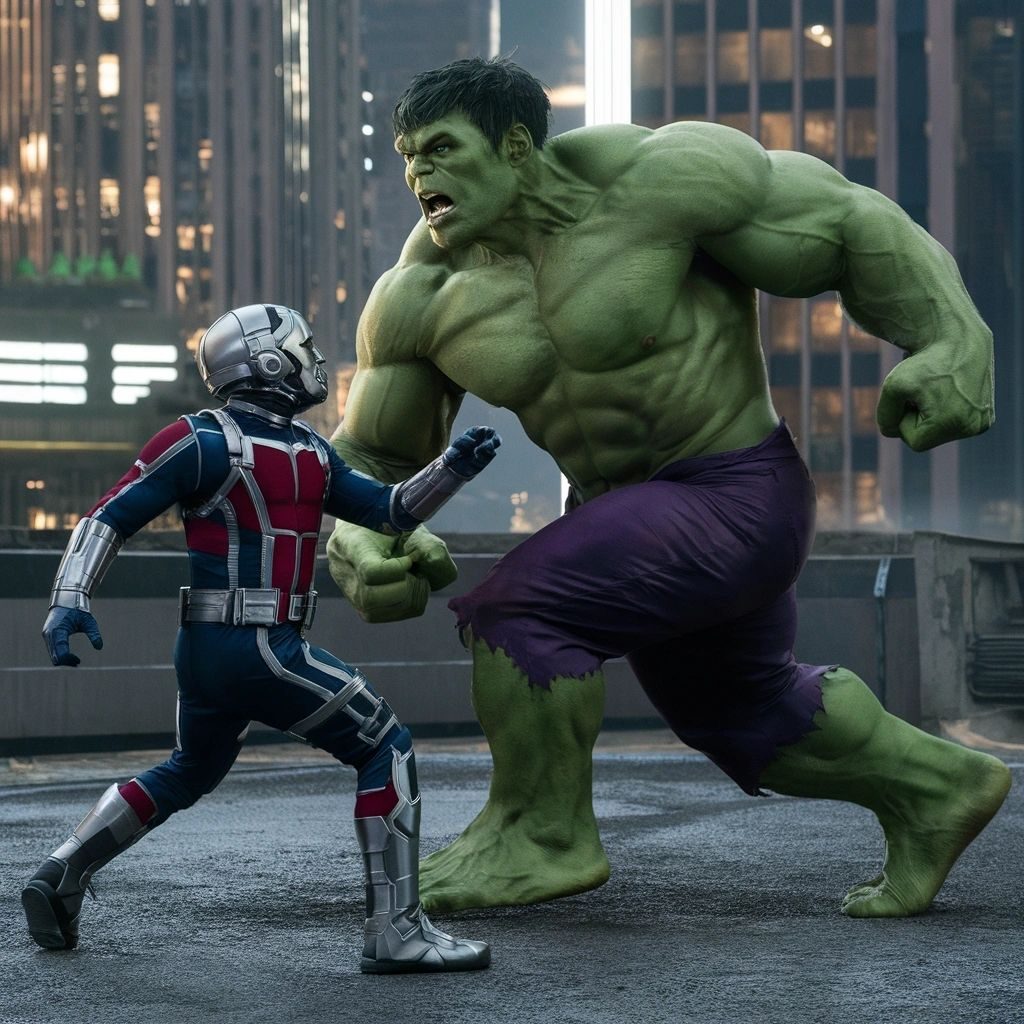
The Marvel Cinematic Universe (MCU) has also embraced size transformation with characters like Ant-Man and the Hulk. Ant-Man’s ability to shrink to microscopic sizes while retaining his strength offers a playful and intriguing exploration of size dynamics. The Hulk, on the other hand, embodies the fantasy of overwhelming power and physical dominance, transforming from the mild-mannered Bruce Banner into a towering green behemoth. These characters highlight the excitement and complexity of shifting between sizes, resonating with audiences' desires for empowerment and transformation.
The Boys: A more recent and edgy take on size transformation can be found in the hit TV series "The Boys." This show, known for its dark and satirical take on the superhero genre, features characters who can shrink and grow, adding a unique twist to the narrative. The character Termite has the ability to shrink down to tiny sizes, leading to some of the series' most shocking and memorable scenes. These moments not only provide thrilling visual spectacles but also explore themes of power, vulnerability, and the unforeseen consequences of superhuman abilities. The series uses these transformations to challenge traditional notions of heroism and power, making a bold statement about the complexities of control and dominance.
Animation and Anime: How Japanese Animation Has Explored Size-Related Fantasies: Japanese animation, or anime, provides a vibrant and diverse platform for exploring size-related themes, often weaving these elements into fantastical and erotic narratives.
"Attack on Titan" is a standout example, depicting a world where humanity battles against enormous humanoid creatures known as Titans. The intense psychological and physical conflicts, coupled with the awe and terror of facing giants, create a gripping narrative that explores themes of survival, power, and the fragility of human existence. The Titans’ sheer size and destructive capability evoke a primal fear, while the human characters’ struggles against these behemoths reflect resilience and courage.
In "The Seven Deadly Sins," the character Diane, a giantess, brings a unique perspective to the narrative. Her immense size and strength are central to her character, offering a blend of physical power and emotional vulnerability. Diane’s experiences highlight the complexities of living as a giant among humans, exploring themes of acceptance, identity, and the desire for companionship.
"My Hero Academia" features characters like Mt. Lady, a hero with the ability to grow to gigantic proportions. Her transformations are both visually spectacular and symbolically significant, representing the amplified power and presence that comes with her size. This ability also touches on themes of visibility and impact, as her transformations command attention and inspire awe.
Cultural Reflection: What Modern Adaptations Say About Current Societal Values: The modern adaptations of size dynamics in film and television often reflect broader societal values and concerns.
The portrayal of giants and size transformation can symbolise the tension between humanity and nature, as seen in King Kong, where the giant ape represents the untamed, primal forces of the natural world. The environmental message is clear: humanity’s attempt to control and exploit nature can lead to catastrophic consequences, a theme that resonates strongly in today's context of ecological awareness and conservation efforts.
In superhero narratives like those in the MCU and "The Boys," size transformation often represents the duality of human nature—the potential for both great strength and great destructiveness. Characters like the Hulk, Ant-Man, and Termite embody the idea that true power comes from understanding and balancing these dual aspects of oneself. This reflects contemporary themes of self-acceptance, personal growth, and the quest for balance in a chaotic world.
Japanese anime’s exploration of size-related fantasies often delves into themes of identity, acceptance, and the boundaries of human potential. Shows like "Attack on Titan" and "The Seven Deadly Sins" use the concept of size to explore what it means to be human in the face of overwhelming odds and to challenge societal norms and expectations. These narratives often encourage viewers to look beyond physical appearances and to value inner strength and character.
By examining these modern adaptations, we see that the fascination with size and transformation is not merely a relic of ancient myths and medieval tales. It remains a powerful and relevant theme in contemporary storytelling, reflecting our ongoing fascination with power dynamics, transformation, and the limits of human potential. These stories continue to captivate, offering fresh interpretations and endless possibilities for those who find excitement in the dynamic interplay of size and power.
The Psychology of Size Fetishes
The allure of size fetishes, encompassing the thrill of being either vastly larger or smaller than another, taps into deep-seated psychological themes. From early Freudian theories to contemporary psychological understandings, and insights from within the fetish community, the fascination with size dynamics reveals much about human nature, power, and desire.
Freudian Analysis: Early Psychological Theories on Power and Size
Sigmund Freud, the father of psychoanalysis, was among the first to explore the underlying motivations behind various human desires and fantasies. Freud suggested that many fetishes, including those related to size, stem from early childhood experiences and anxieties. He believed that size fantasies might be linked to the Oedipus complex, where feelings of power and helplessness play significant roles. In this framework, the desire to be a giant could represent a longing for power, dominance, and control, while fantasies of being tiny might reflect feelings of vulnerability and a need for protection.
Freud also posited that fetishes often emerge as a way to cope with castration anxiety—a fear of losing one’s power and masculinity. In this context, size play can be seen as a symbolic manifestation of these anxieties and desires. The act of transforming in size allows individuals to navigate complex emotions related to power, control, and identity in a safe and controlled environment.
Modern Psychology: Current Understanding of the Appeal of Size Play
Contemporary psychological research has built upon Freud's initial theories, offering more nuanced insights into the appeal of size fetishes. Modern psychologists recognize that size play involves a complex interplay of power dynamics, sensory stimulation, and emotional fulfillment.
One key aspect is the concept of power exchange. In size play, the roles of dominant and submissive are often magnified, providing a heightened experience of control or surrender. For some, the fantasy of being a giant allows them to explore feelings of omnipotence and command, creating a sense of empowerment that contrasts with their everyday experiences. Conversely, those who fantasize about being tiny might enjoy the feeling of being cared for, protected, or overwhelmed, which can be incredibly comforting and erotic.
Another significant factor is sensory and perceptual stimulation. Size play can heighten sensory experiences, making physical interactions feel more intense and exciting. The exaggerated scale can transform mundane activities into thrilling adventures, enhancing the overall erotic and emotional experience.
Modern psychology also emphasizes the role of identity and self-expression. For many individuals, size play offers a way to explore different facets of their personality and desires. It provides a creative outlet for expressing fantasies that might be difficult to articulate in other contexts. This exploration can lead to greater self-awareness and satisfaction, as individuals learn more about their own needs and boundaries.
Community Insights: Perspectives from Enthusiasts and Creators Within the Fetish Community
To truly understand the psychology of size fetishes, it’s essential to listen to the voices of those within the community. Enthusiasts and creators offer valuable insights into what draws them to size play and how it enriches their lives.
Many community members highlight the emotional and psychological benefits of size play. For some, engaging in size-related fantasies provides a form of escapism, allowing them to temporarily step away from the stresses and constraints of everyday life. This can be deeply therapeutic, offering a sense of relief and joy.
Creators within the fetish community, such as artists, writers, and performers, often describe their work as a form of artistic expression and connection. Through their creations, they explore themes of power, vulnerability, and desire, sharing their visions with others who resonate with these fantasies. This creative process can foster a sense of community and belonging, as individuals connect over shared interests and experiences.
Moreover, size play can enhance intimate relationships. Couples who engage in size-related fantasies often report increased communication and trust, as they navigate their desires together. This shared exploration can strengthen their bond and deepen their emotional connection.
In summary, the psychology of size fetishes is a rich and multifaceted field that encompasses early psychoanalytic theories, modern psychological insights, and the lived experiences of those within the community. Whether driven by a desire for power, sensory excitement, or emotional fulfillment, size play offers a unique and deeply personal way for individuals to explore and express their fantasies.
Conspiracy Theories: Giants and Tiny Men
Beyond the realms of myth, folklore, and modern media, the fascination with size dynamics has also found its way into the intriguing world of conspiracy theories. These theories, often blending elements of ancient myths with speculative fiction, capture the imagination with their provocative narratives about giants, tiny men, and extraterrestrial beings.
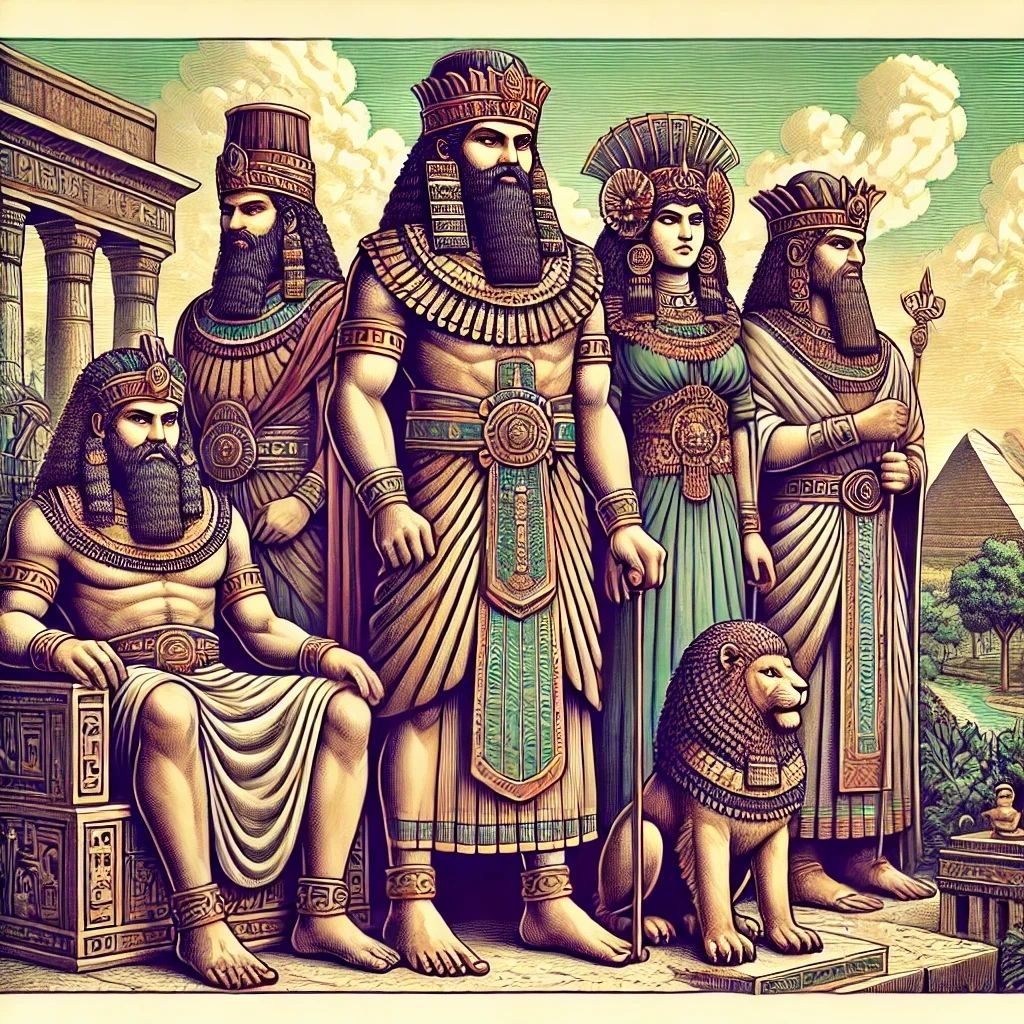
The Anunnaki and Ancient Giants: One of the most popular and enduring conspiracy theories involves the Anunnaki, a group of deities from ancient Mesopotamian cultures, particularly the Sumerians. According to certain fringe theories, the Anunnaki were not just gods but ancient astronauts from another planet. These beings are often depicted as giants who came to Earth and genetically engineered humans to serve as their labor force.
Proponents of this theory point to various ancient structures, such as the pyramids of Egypt and the stone circles of Europe, suggesting that such feats of engineering could not have been achieved without the intervention of these colossal beings. The idea of towering extraterrestrial visitors manipulating human history taps into the primal fascination with size and power, invoking awe and curiosity about our origins and the forces that may have shaped them.
The Nephilim: Another popular theory revolves around the Nephilim, mentioned in the Bible as the offspring of "the sons of God" and "the daughters of men." These beings are often described as giants and are linked to various ancient sites and artifacts. Some conspiracy theorists believe that the Nephilim were real, towering over humans and influencing early civilizations with their immense size and strength.
This theory intersects with modern interests in archaeology and anthropology, suggesting that hidden truths about these ancient giants could rewrite our understanding of history. The appeal of such theories lies in their blend of mystery, forbidden knowledge, and the dramatic imagery of colossal beings walking among us.
Tiny Men and Hidden Societies: On the flip side of the size spectrum, conspiracy theories about tiny men and hidden societies also abound. Some theorists speculate about the existence of diminutive human-like creatures living in remote or inaccessible parts of the world. These stories often draw from folklore about fairies, leprechauns, and other mythical small beings, suggesting that such creatures might still exist in secret.
The concept of tiny, hidden societies taps into a different kind of fantasy, where the world is full of undiscovered wonders and mysteries. These theories evoke a sense of wonder and the thrill of the unknown, inviting us to imagine what it might be like to encounter a world within our world, populated by beings of vastly different sizes.
Modern Adaptations and Influence: These conspiracy theories have not only fueled the imaginations of many but have also influenced modern media. Shows like "Ancient Aliens" and various sci-fi series explore these themes, blending historical speculation with fictional narratives. The blend of fact and fantasy in these shows keeps audiences engaged, playing on our inherent curiosity and desire for grand, sweeping explanations of the unknown.
Conclusion
From the towering titans of ancient Greece to the larger-than-life giants of modern cinema, the fascination with size dynamics has been a consistent thread throughout human storytelling. These tales, spanning across cultures and epochs, offer a thrilling exploration of power, transformation, and desire. Whether it's the primal allure of battling a giant or the intimate fantasy of shrinking down to navigate a world too big, size play captivates our imaginations and speaks to deep-seated psychological themes.
The enduring appeal of size fetishes lies in their ability to tap into universal aspects of the human experience—our quest for power, our encounters with vulnerability, and our unending curiosity about the limits of our own potential. Modern adaptations in literature, film, and television continue to explore these themes, reflecting contemporary values and societal concerns while providing endless possibilities for those who revel in the dynamic interplay of size and power.
For those who find excitement in these fantasies, the rich tradition of size-related stories offers both a source of inspiration and a means of self-expression. Whether you're drawn to the grand scale of ancient myths or the intimate allure of modern size play narratives, there's a world of stories waiting to be explored.
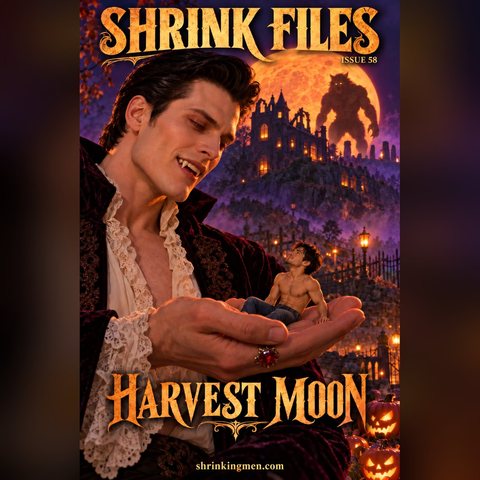
At shrinkingmen.com, we embrace this fascination with size dynamics through our exclusive Shrink Files illustrated stories. These tales bring the thrilling and erotic potential of size play to life, crafted specifically for those who love the fantasy of shrinking men. Dive into our carefully curated collection and let your imagination run wild as you explore stories that push the boundaries of size and desire.
As we look to the future, the timeless allure of size play promises to continue captivating audiences, offering new ways to explore the interplay of power, vulnerability, and transformation. Whether you're a giant among men or a tiny hero navigating a vast world, the stories of size fetishes provide a thrilling and endlessly fascinating journey. So why not embark on your own adventure with the Shrink Files at shrinkingmen.com, where your fantasies of size and transformation come vividly to life?